
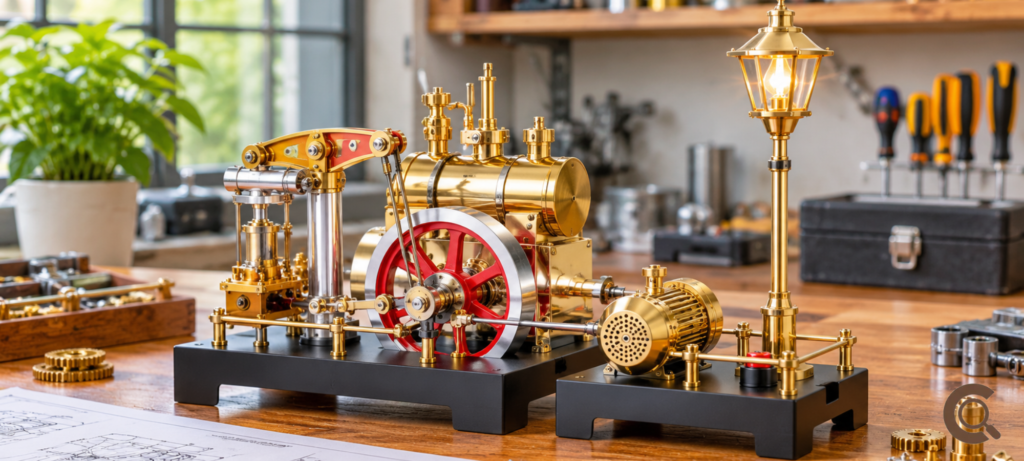
Building a working machine from a collection of small components can be an incredibly satisfying experience. Instead of simply looking at how an engine works, hobbyists can assemble the parts themselves and gradually see the mechanism take shape. A cison engine kit offers an interesting way to explore this hands-on side of mechanical engineering. It brings together detailed components that allow builders to experience the connection between individual parts and overall machine movement.
For anyone who enjoys engineering, model building, or mechanical projects, miniature engines can turn curiosity into something practical. The process may be small in scale, but the lessons and satisfaction can be surprisingly big.
Why Working Engine Models Are Different
A decorative model can look impressive, but a working engine offers something more. It gives builders the opportunity to understand movement by actually seeing it happen.
Engines depend on multiple components working together. Pistons, cylinders, crankshafts, connecting rods, valves, and other parts each have a specific purpose. When assembled correctly, their individual movements combine to create a functioning mechanical system.
This makes working engine models useful for people who want to understand basic mechanical principles without starting with a full-sized engine. The smaller format makes the components easier to observe and the assembly process more approachable.
The Journey Begins With Individual Parts
The most interesting part of a mechanical kit is often the building process itself. At the beginning, the project may look like a collection of unrelated pieces. As assembly progresses, those pieces start to form recognizable sections of an engine.
This process encourages builders to slow down and pay attention. Components need to be positioned correctly, connections need to be secure, and each step needs to be completed carefully.
A small error can sometimes affect how the finished mechanism performs. Rather than making the experience frustrating, this can become part of the learning process. Builders get an opportunity to identify what went wrong, understand why it happened, and make adjustments.
That practical problem-solving experience is one of the strongest reasons people enjoy mechanical model kits.
Seeing Mechanical Principles in Motion
Once the build is complete, the experience changes completely. The parts that were once lying separately on a workbench begin moving together.
A rotating crankshaft can drive connected components, while pistons move through their cycles. Seeing this motion provides a much clearer understanding of mechanical relationships than simply reading about them.
It also shows why precision matters. The position and movement of one component can affect several others. A working model therefore becomes a practical demonstration of how engineering depends on coordination between many small parts.
For beginners, this can make technical concepts easier to understand. For experienced hobbyists, it provides the satisfaction of working with detailed miniature machinery.
Exploring Miniature Engine Projects
Not every hobbyist wants the same level of complexity. Some may prefer a project that provides a gentle introduction to mechanical building, while others may want a more detailed challenge.
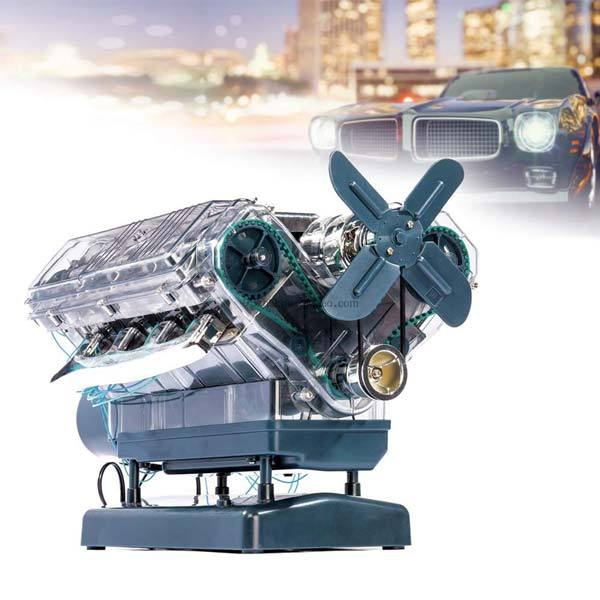
A mini engine kit can be a good option for exploring miniature mechanical systems in a compact format. EngineDIY’s collection focuses on mini engine kits that give hobbyists an opportunity to build and examine small-scale working mechanisms.
When choosing a project, it is worth considering the complexity of the assembly, the type of engine, the level of detail, and your own experience. A suitable kit should provide enough challenge to remain interesting while still allowing you to enjoy the process.
Where Mechanical Curiosity Becomes Hands-On
EngineDIY provides a platform for people interested in miniature engines, mechanical models, and hands-on engineering projects. Its collections cover different types of engine kits, giving hobbyists opportunities to explore mechanical design through actual building.
This approach makes mechanical engineering feel more accessible. You do not need to work in a professional workshop to become interested in engines. With a miniature project, you can explore how different components interact right from your own workspace.
For many hobbyists, completing one project can also encourage them to try another. Each new build can introduce different mechanisms, challenges, and ways of thinking about mechanical movement.
A Hobby That Encourages Patience and Curiosity
Building a miniature engine is about more than putting pieces together. It encourages patience, careful observation, and problem-solving.
When something does not work correctly, the builder has to investigate rather than simply move on. Checking connections, reviewing assembly steps, and understanding how components interact can gradually build confidence.
There is also a creative side to the hobby. Once builders become familiar with mechanical systems, they may become interested in different engine designs, additional projects, or more advanced models.
Final Thoughts
CISON engine kits and other miniature working engine projects offer a fascinating way to experience engineering at a manageable scale. They take complex ideas and break them into individual components that builders can see, handle, assemble, and understand.
The real reward comes when those tiny parts finally become a working machine. That moment connects patience and precision with real mechanical movement.
For anyone curious about how engines work, building a miniature engine can be more than a model-making activity. It can be a practical introduction to the fascinating world of mechanical engineering.