A long gaming session can feel harmless while it is happening. Hours pass quickly when a match is close, a new release is absorbing, or a group of friends is online at the same time. The problem often shows up afterward.
Stiff shoulders, tired eyes, a sore back, poor sleep, and that strange wired-but-exhausted feeling can make the next morning rough. For people who game regularly, the issue is not always the session itself. It is what happens once the screen goes dark.
A better post-gaming routine can make long sessions easier to recover from without turning gaming into something that needs to be “earned” through exercise or rigid wellness habits. The goal is simply to help the body and mind switch gears.
Give Your Body a Clear Signal That the Session Is Over
After sitting in roughly the same position for hours, immediately moving from the gaming chair to the couch does not give the body much of a reset. A short transition routine can make a noticeable difference.
Start by standing up, walking around for a few minutes, and loosening the areas that have been held still the longest. Shoulders, hips, wrists, neck, and lower back deserve particular attention. Some gamers also like using heat as part of their wind-down routine, whether that means a warm shower or a sauna. Anyone building a more dedicated relaxation space at home can explore options at premiumsaunas.com and think about whether that kind of setup would actually fit their routine.
The key is consistency rather than intensity. Ten calm minutes spent moving and unwinding will usually be more useful than an ambitious recovery routine that feels like another task.
Stop Going Straight From High-Stimulation Gaming to Bed
Competitive games, intense story moments, voice chat, and bright screens can leave the brain feeling more awake than the clock suggests.
That becomes a problem when a late session ends five minutes before bedtime. Even if the body feels tired, the mind may still be replaying matches, thinking about mistakes, or waiting for the next burst of stimulation.
Build a buffer between logging off and trying to sleep. Lower the lights, step away from the desk, and avoid replacing one screen with another if possible. A shower, quiet music, a few pages of a book, or simply preparing things for the next morning can create a much cleaner transition.
The goal is not to establish a complicated nighttime ritual. It is to stop expecting the brain to shift instantly from ranked matches or fast-paced gameplay into sleep mode.
Fix the Setup Problems You Feel Afterward
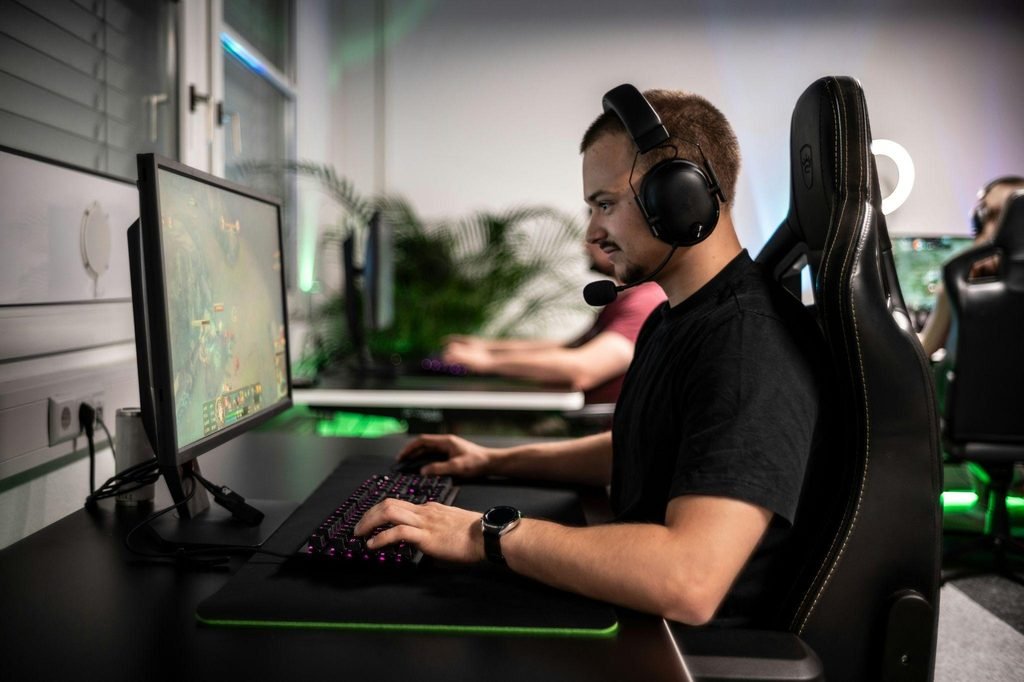
Post-session discomfort often points directly to problems in the gaming setup.
If wrists ache regularly, check keyboard and mouse position. If the neck feels tight, monitor height may be part of the issue. Lower-back discomfort can come from poor chair support, while numbness or stiffness in the legs may suggest that sitting position needs attention.
Small adjustments can have a bigger impact than buying expensive gear. Bring frequently used controls closer. Position the monitor so the head can stay neutral. Keep feet supported rather than tucked under the chair. Adjust armrests so shoulders are not constantly raised.
It also helps to change position occasionally during play. No chair, however ergonomic, can make sitting motionless for five hours ideal. Standing up between matches, during loading screens, or after finishing a level can break up long periods of stillness without interrupting the experience much.
Eat and Drink Like the Session Actually Took Several Hours
Long gaming sessions can distort normal eating and drinking habits. Some players forget to drink anything for hours, while others gradually work through whatever snacks happen to be within reach.
By the end of the night, dehydration, hunger, or a large amount of caffeine can contribute to headaches, fatigue, and poor sleep.
Keep water within reach before starting rather than remembering it halfway through the session. If gaming overlaps with a normal mealtime, take a proper break instead of relying entirely on snack food.
Caffeine deserves attention as well. An energy drink that helps during an evening session may still be affecting sleep long after the game is over. Gamers who regularly struggle to fall asleep after playing may benefit from moving caffeine earlier rather than blaming the game alone.
None of this requires turning gaming snacks into a nutrition project. It is mostly about avoiding extremes that make recovery harder afterward.
Give Your Eyes Something Else to Look At
Eyes can feel especially tired after hours focused on a screen at a relatively fixed distance.
Once the session ends, avoid spending the next hour staring closely at a phone. Look across the room, step outside briefly, or spend some time doing something that does not require intense visual focus.
During longer sessions, occasional breaks help too. Looking at something farther away for a short period gives the eyes a change from constant near-screen focus. Adjusting screen brightness to match the room and reducing glare can also make long sessions feel more comfortable.
If eye discomfort, headaches, or blurred vision happen frequently rather than occasionally, they should not simply be accepted as part of gaming. Persistent symptoms are worth discussing with an eye-care professional.
Make Tomorrow Easier Before You Call It a Night
A good recovery routine should improve the next day, not just the next ten minutes.
Before bed, spend a little time moving, drink some water, and prepare for the morning. If the session ran later than planned, resist the temptation to extend the night even further because “it is already late.” That logic can turn a slightly short night into a terrible one.
Regular gamers may also want to notice patterns. Maybe certain games keep sessions running longer. Perhaps weekend marathons feel fine, but late weekday sessions consistently ruin the next morning. Recognizing those patterns makes it easier to adjust without giving up the hobby.
Gaming should be enjoyable while it is happening and manageable afterward. When the hours after logging off include a little movement, less stimulation, decent hydration, and enough time to sleep, even longer sessions are less likely to leave the next day feeling like the real boss fight.