Sometimes the body knows you’re stressed before you do. Your shoulders feel tight, your jaw clenches, and your breath becomes shallow without you noticing. You might be sitting still, but inside, everything feels rushed. That’s usually when breathing quietly goes wrong.
Easy breathing exercises for relaxation aren’t about forcing calm or doing anything fancy. They’re about reminding your body that it’s safe to slow down. Breathing is automatic, but how you breathe changes everything. And the good part is, you don’t need equipment, apps, or perfect technique. You just need a few minutes and a bit of attention.
This isn’t about deep spiritual practice or complicated routines. These are simple, human ways to breathe better when life feels heavy.
Why Breathing Matters More Than We Realize
Breathing is directly connected to your nervous system. When you’re stressed, your breathing becomes fast and shallow. When you’re calm, it slows down naturally.
The problem is, modern life keeps us in a constant low-level stress state. Screens, notifications, deadlines, and noise all push the body into alert mode. Over time, the breath forgets how to relax on its own.
Breathing exercises act like a reset button. They don’t remove problems, but they help your body respond to them more calmly.
You Don’t Have to “Clear Your Mind”
A common mistake people make is thinking relaxation means stopping thoughts. That rarely works.
Your mind will wander. Thoughts will come and go. That’s normal. Breathing exercises work even when your mind is busy. You don’t need silence in your head, just awareness of your breath.
If your thoughts drift, gently return to breathing. No frustration needed.
Start With Simple Awareness
Before trying any technique, just notice how you’re breathing right now.
Is your breath shallow or deep? Fast or slow? Are your shoulders rising with each inhale?
You don’t need to change anything yet. Awareness itself often begins the calming process.
Slow Nose Breathing
One of the easiest ways to relax is to breathe through your nose instead of your mouth.
Close your mouth gently. Inhale through your nose for a slow count of four. Exhale through your nose for a count of six.
The longer exhale tells your nervous system to calm down. Do this for a minute or two.
This type of breathing is subtle but powerful, especially when done regularly.
Box Breathing for Mental Reset
Box breathing is simple and structured, which makes it great when your mind feels scattered.
Inhale for four seconds
Hold for four seconds
Exhale for four seconds
Hold again for four seconds
Repeat this cycle a few times.
This technique is often used to regain control during stress. It works well before meetings, exams, or difficult conversations.
Belly Breathing to Release Tension
Many people breathe only into their chest, especially when stressed.
Place one hand on your chest and one on your stomach. Inhale slowly and try to let your stomach rise more than your chest. Exhale gently.
This activates the diaphragm and encourages deeper, more relaxed breathing.
At first, it might feel strange. That’s okay. With practice, it becomes natural.
Breathing With Gentle Counting
Counting gives the mind something simple to focus on.
Inhale for three seconds. Exhale for five seconds. Repeat.
If counting feels stressful, stop counting and just focus on the rhythm.
The goal isn’t precision. It’s calm.
Sigh Breathing for Quick Relief
Sometimes the body just needs to release.
Take a deep inhale through your nose. Then sigh it out through your mouth.
Do this a few times.
It may feel dramatic, but sighing is a natural way the body releases tension. You’ll often feel your shoulders drop afterward.
Breathing While Sitting, Standing, or Lying Down
You can do breathing exercises anywhere.
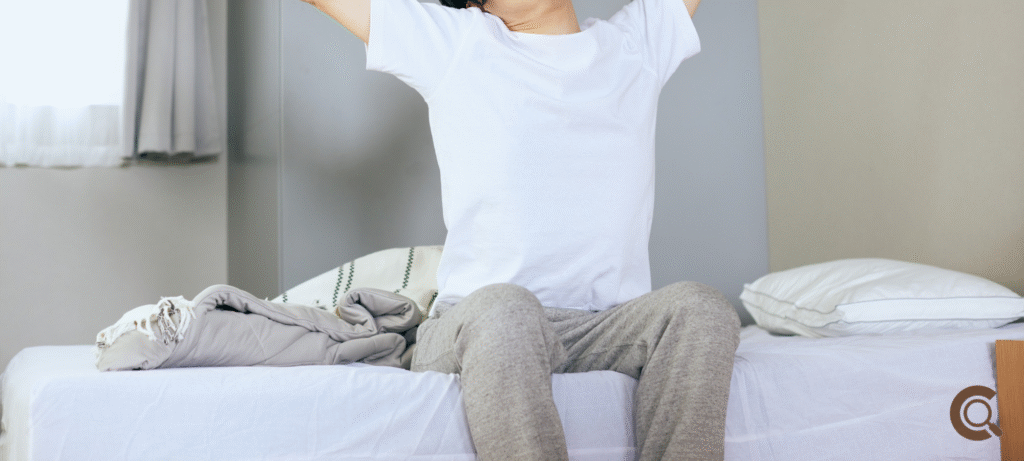
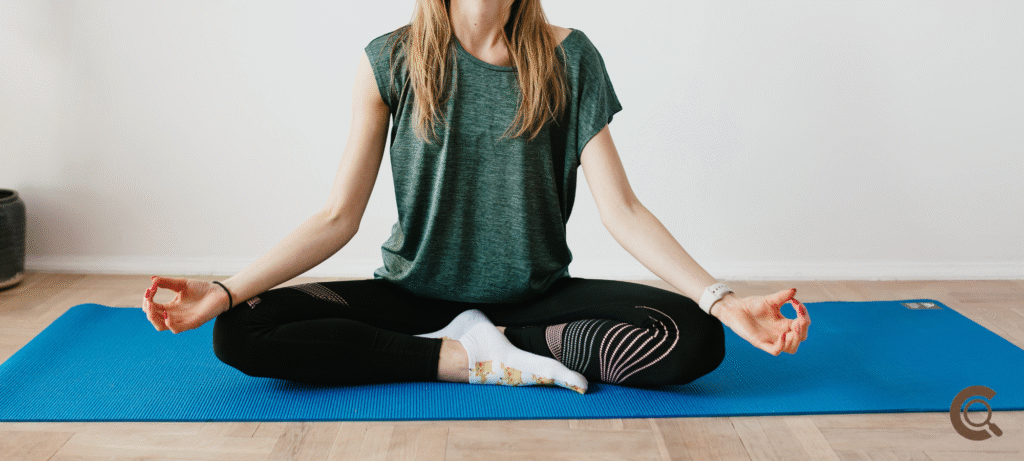
Sitting works well during work breaks. Standing is helpful when you feel restless. Lying down is good before sleep.
There’s no “best” position. Choose what feels comfortable in the moment.
When to Use Breathing Exercises
Breathing exercises are useful in many situations:
Before sleep
During stress
After arguments
Before studying
When feeling overwhelmed
They don’t require a special time. You can use them whenever you notice tension.
Breathing Helps Focus Too
Relaxed breathing doesn’t make you sleepy. It actually improves focus.
When your body calms down, your brain works more clearly. This is why breathing exercises help students and professionals alike.
Many people struggling with attention during screen-heavy routines notice improvement when they combine breathing with focus habits, similar to what’s discussed in how memory works in learning. A calm nervous system supports better memory and understanding.
Breathing and Digital Overload
Constant phone use increases shallow breathing. Notifications trigger stress responses, even if they seem harmless.
Taking breathing breaks reduces that digital tension. It’s especially helpful if you’re on your phone often or managing sensitive information.
Being calm helps you make better decisions, whether you’re studying, working, or even managing privacy and security settings on your device. Staying aware and focused is a big part of how to secure personal data on smartphones, because rushed clicks often lead to mistakes.
Don’t Expect Instant Magic
Breathing exercises don’t fix everything instantly.
Some days they’ll feel amazing. Other days, not much happens. That’s normal.
Like any habit, breathing works better with repetition. Over time, your body learns to relax more easily.
Short and Frequent Beats Long and Rare
You don’t need long sessions.
One minute of calm breathing, a few times a day, is more effective than one long session once a week.
Small resets keep stress from building up.
Breathing Before Sleep
If your mind races at night, breathing helps slow things down.
Lie down, close your eyes, and focus on slow exhales. Don’t try to sleep. Just breathe.
Often, sleep follows naturally.
Combine Breathing With Gentle Movement
Breathing pairs well with light movement.
Simple stretches, slow walking, or even standing near a window while breathing can increase relaxation.
The body likes cooperation, not force.
If you want medically supported breathing guidance, the NHS offers clear advice on breathing exercises for stress and relaxation that’s easy to understand and practical.
Final Thoughts
Easy breathing exercises for relaxation don’t require discipline or belief. They work because they speak directly to the nervous system.
You already breathe all day. These exercises simply help you breathe better.
When stress builds, breath softens it. When thoughts race, breath steadies them. When the body tightens, breath reminds it to let go.