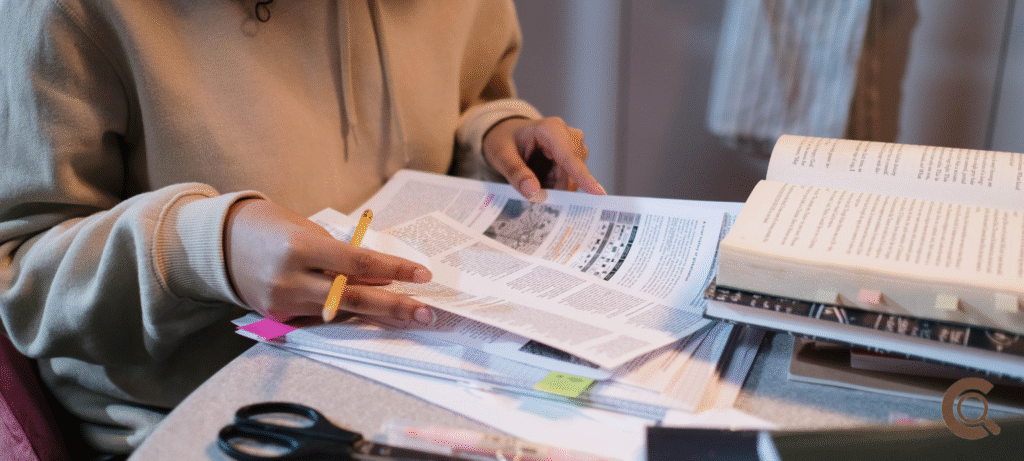

Most people think learning is about intelligence. If you remember things easily, you’re “smart.” If you forget, you’re not. That idea sounds simple, but it’s wrong. Learning has much more to do with how memory works than how smart you are.
If you’ve ever studied hard for something and still forgotten it later, you already know how frustrating memory can be. And if you’ve ever remembered random details from years ago but forgotten what you studied yesterday, you’re not alone. That’s just how the brain behaves.
Understanding how memory works in learning doesn’t turn you into a genius overnight. But it does make learning feel less confusing and a lot less personal. You stop blaming yourself and start working with your brain instead of against it.
Memory Is Not One Single Thing
A lot of people think memory is one system. It’s not. Your brain uses different types of memory for different tasks.
Short-term memory is what holds information for a few seconds or minutes. Long-term memory is where things stay for days, months, or even years. There’s also working memory, which is what you use when you’re actively thinking, like solving a problem or following instructions.
Learning happens when information moves from short-term or working memory into long-term memory. That process is not automatic. It needs help.
Why We Forget So Easily
Forgetting feels like failure, but it’s actually normal.
Your brain is designed to forget most things. If it remembered everything, it would be overwhelmed. Forgetting helps the brain stay efficient.
When you learn something once and never use it again, your brain assumes it’s not important. So it lets it fade. This is why cramming before exams often fails. You might remember things briefly, but they don’t stick.
Memory strengthens through use, not exposure.
Attention Comes Before Memory
You can’t remember what you never paid attention to.
This is one of the biggest reasons people struggle in learning environments, especially digital ones. If your attention is divided, your memory doesn’t get a clear signal that something matters.
This is why many students struggle with focus during online learning. If attention keeps breaking, memory never gets a chance to form properly. Learning how to stay focused in online classes can make a huge difference, not because the content changes, but because your brain finally gets the chance to process it.
Repetition Builds Stronger Memory
The brain learns through repetition, but not mindless repetition.
Repeating information over time strengthens neural connections. That’s why spaced repetition works better than studying everything at once.
When you revisit information after a break, your brain has to work a little harder to recall it. That effort actually strengthens memory. Easy recall doesn’t build memory as well as slightly challenging recall.
This is why forgetting a little is not always bad. It gives your brain something to rebuild.
Understanding Beats Memorizing
Pure memorization is fragile. Understanding is stronger.
When you understand something, your brain connects it to existing knowledge. These connections act like hooks. The more hooks you have, the easier it is to retrieve information later.
If you memorize without understanding, the memory floats alone. It has nothing to attach to, so it fades faster.
This is why explaining concepts in your own words works so well. It forces understanding, not copying.
Emotions Affect Memory More Than We Realize
Memory is emotional, whether we like it or not.
Things tied to emotions are remembered more easily. That’s why embarrassing moments, exciting events, or stressful situations stay in memory longer.
In learning, boredom works against memory. Interest helps it. You don’t need to love a subject, but finding some personal meaning in it improves recall.
Even small things, like curiosity or mild challenge, can activate memory better than passive listening.
The Role of Sleep in Learning
Sleep is not optional for memory.
When you sleep, your brain processes and organizes what you learned during the day. Without enough sleep, memory formation suffers, no matter how much you study.
This is why studying late into the night often backfires. You might cover more material, but your brain doesn’t get the chance to store it properly.
Learning continues after you stop studying, especially during sleep.
Physical State Matters More Than We Think
Your body affects your brain more than most people realize.
When you’re tired, dehydrated, or physically stiff, focus drops. Memory suffers.
Light movement helps. Gentle activity before studying can improve alertness and mental clarity. Some people use simple physical routines in the morning to wake up their body before learning, like easy stretches that help them feel refreshed instead of sluggish.
Learning isn’t just mental. It’s physical too.
Stress and Memory Don’t Mix Well
A little stress can help focus. Too much stress blocks memory.
When you’re anxious, your brain prioritizes survival, not learning. Information doesn’t move smoothly into long-term storage.
This is why calm environments support better learning. Reducing pressure, even slightly, helps memory form more naturally.
Memory Improves With Practice, Not Talent
People often say they have a “bad memory.” That’s usually not true.
Memory is a skill. Like any skill, it improves with the right practice.
Using recall instead of rereading, spacing study sessions, and connecting new information to old ideas all strengthen memory over time.
The brain adapts. It learns how to learn.
Learning for Life, Not Just Exams
Memory matters beyond school.
Whether you’re learning a new skill, managing work tasks, or planning something long-term, memory plays a role. Many people realize this later when building careers or starting projects that require focus and consistency.
Even when people explore future plans like profitable small business ideas in 2026, memory becomes important. Remembering lessons, mistakes, and strategies helps avoid repeating errors and improves decision-making.
Learning never really stops. Memory supports all of it.
Why Multitasking Hurts Memory
Multitasking feels efficient, but it weakens learning.
When you switch between tasks, your brain doesn’t fully encode information. Memory becomes shallow.
This is especially common with digital devices. Notifications, tabs, and background noise pull attention away constantly.
Reducing distractions improves memory more than studying longer.
Small Habits That Help Memory Daily
You don’t need complicated systems to support memory.
Simple habits help:
Reviewing notes briefly the next day
Explaining ideas out loud
Sleeping properly
Studying in focused sessions
Taking short breaks
Consistency matters more than intensity.
If you want a clear, research-backed explanation of memory and learning, the American Psychological Association offers simple insights into how memory forms and why we forget, written for everyday understanding.
Final Thoughts
Understanding how memory works in learning changes how you see studying. Forgetting stops feeling like failure. Struggle stops feeling like weakness.
Memory isn’t about talent. It’s about attention, repetition, rest, and connection.
When you work with your brain instead of fighting it, learning becomes less stressful and more effective. You may still forget things sometimes, but you’ll understand why. And that understanding alone makes learning feel a lot more human.
You have not enough H