Most people treat puzzles as something casual. A small distraction. Something to do while waiting, travelling, or killing time before bed. But when you stop and really think about it, puzzles are doing far more than filling empty minutes. They work the brain in ways that science actually recognizes and supports.
Puzzles that train the brain scientifically are not about speed or trying to look smart. They work more like mental movement. Just as light exercise keeps the body active, puzzles keep the brain engaged. The changes don’t show up overnight. In fact, most people don’t notice anything at first. But slowly, those small efforts begin to add up.
The good part is that nothing complicated is required. No expensive tools. No advanced background. Simple puzzles, done regularly, can strengthen focus, memory, reasoning, and even emotional control over time.
Why the Brain Needs Training, Not Just Stimulation
The brain isn’t fixed. It changes constantly depending on how it’s used. Scientists describe this ability as neuroplasticity. In simple terms, the brain adapts to what you repeatedly ask it to do.
When the brain is challenged, it forms new connections. When it isn’t, it settles into comfort. Modern life often feels mentally busy, but most of that activity is passive. Endless scrolling and quick taps don’t push the brain to think deeply.
Puzzles interrupt that pattern. They slow the mind down. They require effort. That pause, that moment of thinking, is exactly where real mental training begins.
This is what makes puzzles scientifically meaningful. They apply just enough pressure to push the brain slightly beyond comfort, which is how learning actually happens.
What Makes a Puzzle Truly Effective for the Brain
Not every puzzle offers the same benefit. Some become repetitive very quickly. Once you learn the pattern, your brain switches to autopilot.
Effective puzzles continue to challenge you. They force adjustment. They make you rethink your approach.
Most scientifically effective puzzles share a few qualities. They require active thinking rather than guessing. They involve logic, memory, patterns, or decision-making. And importantly, they include moments where progress feels slow or frustrating.
That feeling of being stuck matters. When the brain struggles, it looks for new strategies. This effort strengthens neural connections and improves flexibility.
Puzzle Types That Research Often Supports
Logic-based puzzles are among the most studied. Sudoku, deduction puzzles, and logic grids encourage structured thinking, planning, and elimination.
Memory-based puzzles are also strongly supported. Matching games, recall challenges, and pattern repetition tasks help improve working memory. This is the type of memory used to hold information briefly while solving problems.
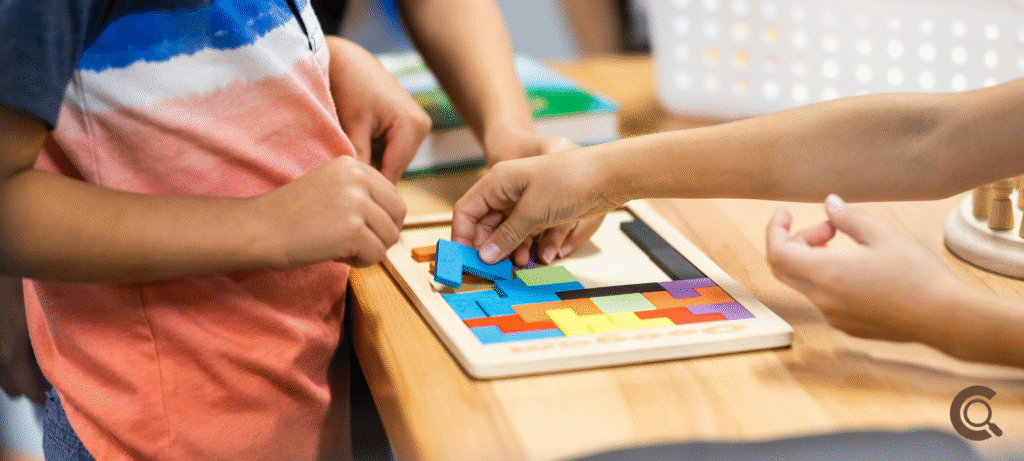
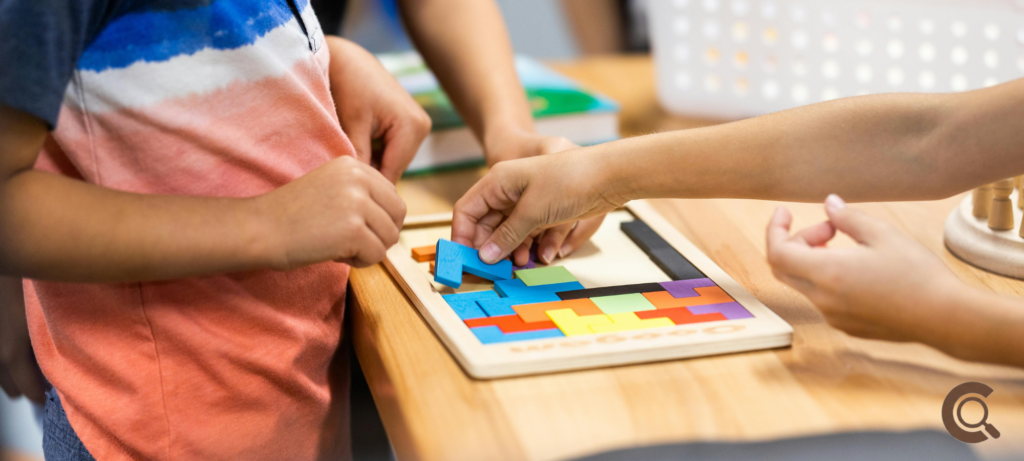
Spatial puzzles activate another set of brain areas. Visual pattern challenges or block arrangement tasks strengthen spatial awareness and problem-solving skills.
Even basic word or number puzzles can engage multiple brain regions when they are just challenging enough.
How Puzzles Help Improve Focus and Attention
One of the first benefits people notice from regular puzzle practice is improved focus. There’s a simple reason for this.
Puzzles demand attention. You can’t solve them properly while half-distracted. Even short sessions train the brain to stay with one task longer.
Over time, this ability carries into daily life. Reading feels easier. Conversations become clearer. Tasks feel less mentally heavy.
This is why puzzles are often suggested for students and professionals who struggle with distraction.
Memory Benefits That Appear Quietly
Memory improvement from puzzles rarely feels dramatic. It’s subtle. You may start remembering small details more easily. Names stick better. Instructions feel clearer.
This happens because puzzles activate working memory and long-term memory together. The brain practices holding information while actively using it.
These small repetitions strengthen memory systems without pressure or stress.
Problem Solving and Emotional Control
One benefit that often goes unnoticed is emotional regulation. Puzzles naturally teach patience.
When a solution doesn’t come easily, mild frustration appears. Trying again trains the brain to tolerate that feeling rather than avoid it. Over time, emotional control improves.
Puzzles also sharpen problem-solving skills. They simulate real-life challenges in a safe space. You test ideas, make mistakes, adjust strategies, and move forward.
This way of thinking transfers naturally to work, studies, and everyday decisions.
Learning Readiness and Mental Flexibility
Another interesting effect of regular puzzle-solving is improved learning readiness. The brain becomes more comfortable facing new information.
People who engage with puzzles often fear mistakes less. They’re used to not knowing the answer right away.
This mindset supports clearer thinking when making long-term choices. Mental flexibility plays a role in many areas, including how people evaluate tools, systems, or even topics like Alternative Cloud Storage Services when deciding what fits their needs.
How Often Should You Do Puzzles?
More isn’t always better. The brain responds best to steady, moderate challenge.
Ten to twenty minutes a day is enough for most people. Consistency matters more than difficulty. A puzzle that feels slightly challenging is more useful than one that feels overwhelming.
Mixing puzzle types helps too. Logic puzzles one day. Memory challenges another. Visual puzzles on a different day.
Age Is Less Important Than Most People Think
Puzzles benefit all age groups, just in different ways.
Children develop attention, patience, and reasoning skills. Adults sharpen decision-making and stress control. Older adults maintain memory strength and mental flexibility.
The brain continues to respond to challenge at every stage of life.
Digital Puzzles vs Physical Puzzles
Both digital and physical puzzles have their place. Digital puzzles offer convenience and variety. Physical puzzles engage touch and spatial thinking.
What matters most is engagement. If a puzzle holds your attention and makes you think, it’s doing its job.
Some people prefer pen-and-paper puzzles because they slow the process. Others enjoy apps for accessibility. Neither approach is better than the other.
Common Mistakes People Make With Brain Puzzles
One common mistake is choosing puzzles that are too easy. Comfort doesn’t create growth.
Another is quitting too quickly. Struggle is part of mental training.
Some people treat puzzles like competitions, focusing only on speed. Thinking quality matters more than finishing fast.
Inconsistency is another issue. Solving puzzles once in a while rarely leads to lasting benefits.
The Long-Term Impact of Puzzle Habits
The biggest benefit of puzzles isn’t a sudden boost in intelligence. It’s mental resilience.
People who regularly challenge their brain feel more confident when facing unfamiliar problems. They adapt faster. They feel less overwhelmed when things don’t go as planned.
This flexibility supports better performance in education, careers, and even analytical thinking areas, similar to how structured evaluation improves outcomes in From Data to Decisions: How a Trade Analyzer Improves Trading Accuracy.
Final Thoughts
Puzzles that train the brain scientifically aren’t shortcuts or tricks. They’re quiet habits that work gradually.
They strengthen focus, memory, patience, and problem-solving without pressure. They teach the brain to stay engaged instead of avoiding difficulty.
You don’t need complex puzzles every day. Curiosity and consistency are enough.
When the brain is given meaningful challenges, it responds slowly, naturally, and in ways that last.