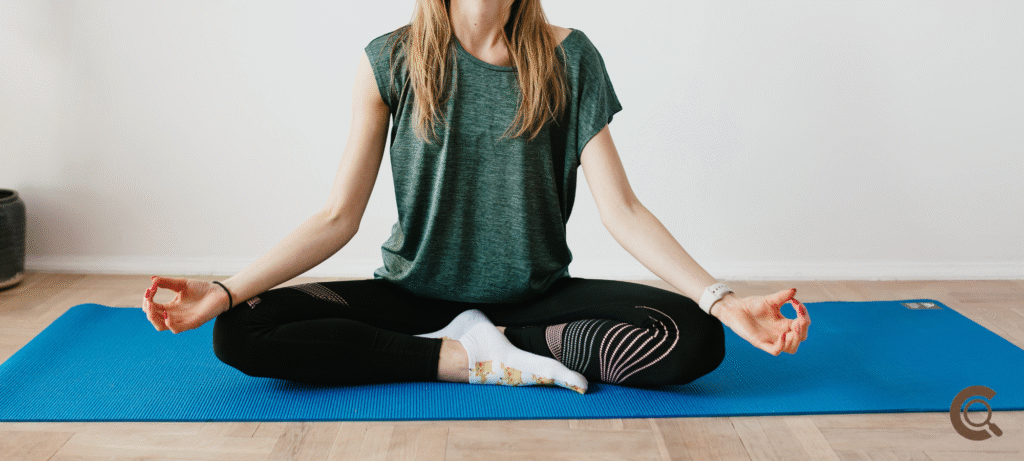
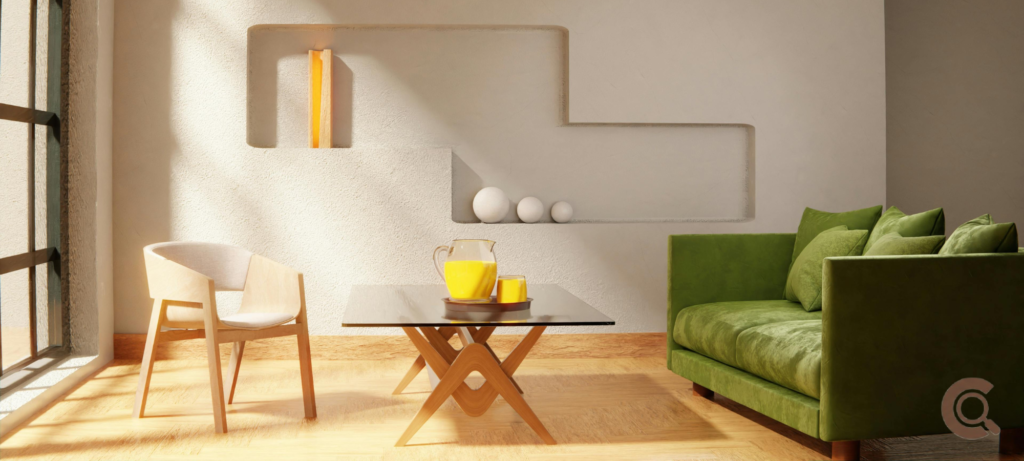
Minimalist living is often misunderstood. Many people think it means living with almost nothing, empty rooms, or giving up comfort. In reality, minimalism is more personal than that. It’s about removing excess so you can focus on what actually adds value to your life.
In today’s fast moving world, clutter is not just physical. It’s mental, digital, and emotional too. Notifications, commitments, possessions, and expectations all pile up. Over time, they create stress without us even noticing. That’s why minimalist living tips for a clutter free and peaceful life have become more relevant than ever.
This isn’t about perfection. It’s about small, realistic changes that make daily life feel lighter and more intentional.
Understanding what minimalism really means
Minimalism is not a rulebook. It’s a mindset.
For some people, it means owning fewer things. For others, it means simplifying schedules, relationships, or even goals. The idea is to remove what feels unnecessary and keep what genuinely supports your wellbeing.
A peaceful life doesn’t come from owning more. It often comes from wanting less.
Start with your living space, slowly
The easiest place to begin is your home. But trying to declutter everything at once usually leads to burnout.
Pick one small area. A drawer, a shelf, or a corner of a room. Go through each item and ask a simple question. Does this serve a purpose or bring some kind of value?
If the answer feels unclear, that’s often your sign.
Minimalism works best when you move at a comfortable pace. There’s no prize for finishing fast.
Let go of emotional clutter
Not all clutter is physical. Emotional clutter can be heavier.
Old grudges, guilt, and unrealistic expectations quietly drain energy. Minimalist living encourages letting go of mental baggage just as much as physical items.
This doesn’t mean ignoring responsibilities or emotions. It means choosing what deserves your attention and what doesn’t.
Just like modern businesses use focus and systems to operate better, as discussed in How Artificial Intelligence Is Transforming Everyday Business Operations, individuals also function better when unnecessary mental noise is reduced.
Be intentional with new purchases
One of the most powerful minimalist habits is being mindful before buying something new.
Instead of impulse shopping, pause for a moment. Ask yourself if the item will actually improve your life or just add temporary excitement.
Many people notice that once they slow down purchases, clutter naturally stops growing. Less stuff comes in, so less needs to go out.
This habit also saves money, which adds another layer of peace.
Simplify your daily routines
Busy schedules are a form of clutter too.
Minimalist living encourages creating routines that feel supportive rather than exhausting. This might mean fewer commitments, more realistic to do lists, or saying no more often.
When your days are less rushed, your mind follows.
Simple routines create stability, which is often missing in modern life.
Digital minimalism matters more than you think
Phones, emails, and social media constantly compete for attention. Digital clutter is one of the biggest sources of stress today.
Unsubscribe from emails you never read. Remove apps you don’t use. Turn off notifications that don’t serve a clear purpose.
These small changes can make a huge difference in focus and calm.
Interestingly, many people building online income streams or creative careers, such as those exploring How to Start Earning Money from Gaming Legally, also adopt digital minimalism to stay focused and avoid burnout.
Create space for what you enjoy
Minimalism is not about removing joy. It’s about creating space for it.
When clutter is reduced, hobbies, relationships, and rest become more visible. A calm environment makes it easier to enjoy simple things like reading, walking, or quiet evenings.
Peace often comes from presence, not possessions.
Clothing and personal style
A minimalist wardrobe doesn’t mean boring clothes. It means clothes you actually wear.
Many people own items they rarely touch. Donating or storing unused clothing frees physical and mental space.
Choosing quality over quantity also reduces decision fatigue. Getting dressed becomes easier, and mornings feel less chaotic.
Learn to appreciate enough
One of the hardest parts of minimalism is shifting mindset.
Society constantly pushes the idea that more is better. Minimalist living gently challenges that belief.
Learning to appreciate what you already have builds contentment. It doesn’t stop growth, but it makes growth healthier.
Peaceful living often begins with gratitude, even on imperfect days.
Minimalism and relationships
Minimalism also applies to social life.
This doesn’t mean cutting people off harshly. It means prioritizing relationships that feel supportive and respectful.
Quality connections matter more than quantity. Spending time with people who align with your values brings a deeper sense of peace.
Minimalism is flexible, not strict
There is no single way to live minimally.
Some days will feel messy. Some areas of life will take longer to simplify. That’s normal.
Minimalist living tips for a clutter free and peaceful life are meant to guide, not control. Flexibility is what makes minimalism sustainable.
Final thoughts on minimalist living
Minimalist living is not about empty spaces. It’s about meaningful ones.
By letting go of excess, you make room for clarity, calm, and intention. Life doesn’t become perfect, but it often becomes lighter.
Peace grows when you focus on what matters most and release what doesn’t.
Minimalism is not an end goal. It’s an ongoing practice that gently supports a clutter free and peaceful life.