
An evening puzzle can be a simple way to slow down after a busy day. Crosswords, word games, Sudoku and other small challenges provide enough mental stimulation to hold attention without feeling like another piece of work.
The problem is that a relaxing habit can easily become competitive. Checking the clock, refusing to leave a difficult clue or scrolling for answers can turn a quiet evening activity into another source of frustration.
A better routine focuses less on finishing quickly and more on creating a clear transition away from work, messages and daily obligations. The surroundings, timing and way you approach the puzzle all influence whether it feels restorative or simply becomes another task to complete.
Create a Clear Transition Into the Evening
Relaxation is easier when the brain receives some signal that the working part of the day has ended. That might mean changing clothes, dimming the lights, making a drink or spending a little time away from screens before opening a puzzle.
Some people build a more deliberate home relaxation setup around this transition. Someone considering heat and quiet time as part of an evening routine might, for example, come across a golden designs sauna for sale while exploring ways to create a dedicated space for unwinding before settling into quieter activities.
The specific ritual matters less than consistency. Repeating the same few steps can make it easier to mentally move from productivity into leisure.
Choose a Comfortable Place to Solve
Where you do the puzzle affects how relaxing it feels.
Trying to complete it while sitting at the same desk used for work can keep the mind in a task-oriented mode. Moving to an armchair, kitchen table or another comfortable spot creates useful separation.
Lighting should be strong enough that reading is effortless but not so harsh that the room feels like a workspace. If the puzzle is digital, reducing screen brightness can also make evening use more comfortable.
Keep a drink or anything else you regularly need nearby so the activity does not involve constantly getting up.
A simple, comfortable setup makes it easier to focus without turning the ritual into a complicated preparation process.
Stop Measuring Every Puzzle by Speed
Daily puzzles often encourage comparisons through timers, streaks and scores. Those features can be entertaining, but they can also change the purpose of the activity.
A difficult puzzle does not need to be completed at the same speed as an easy one.
Instead of immediately checking how long the solution took, pay attention to the solving process. A clue that requires several minutes of thought may ultimately be more satisfying than one answered instantly.
Removing the expectation of constant improvement can make the routine considerably calmer.
There will always be days when the puzzle suits your vocabulary or thinking style better than others. Variation is part of the experience rather than evidence that something has gone wrong.
Know When to Leave a Difficult Clue Alone
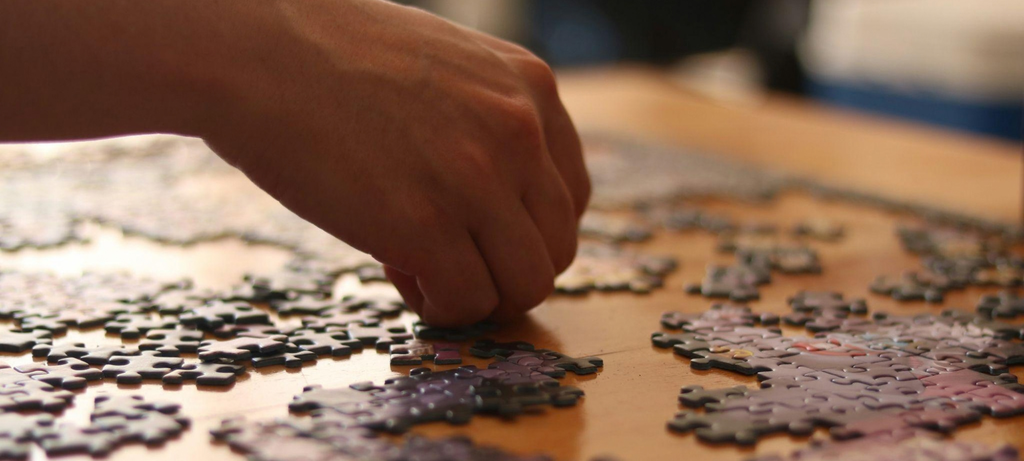
Staring at the same clue rarely makes the answer appear faster.
When you notice yourself repeating the same possibilities, move elsewhere in the puzzle. Another answer may provide a useful letter or trigger a different interpretation.
If the entire puzzle feels stuck, take a short break.
Even a few minutes spent making tea, walking around the room or doing something unrelated can interrupt the mental loop that develops around a difficult problem.
When you return, read the clue as though you are seeing it for the first time. Often the obstacle was not lack of knowledge but becoming too committed to one interpretation.
Keep Other Screens From Taking Over
One of the easiest ways to lose the relaxing quality of a puzzle is to surround it with other digital distractions.
A notification leads to a message, the message leads to social media and suddenly the puzzle has become something happening in the background.
If possible, silence unnecessary notifications for the short period you intend to solve.
This is particularly helpful when the puzzle itself is on a phone or tablet. The same device contains dozens of competing activities, so a little intentional separation can make the experience feel noticeably calmer.
The goal is not complete digital isolation. It is simply to give one activity your attention for long enough that it feels different from ordinary scrolling.
Let the Routine End Naturally
Not every puzzle needs to be completed before bed.
If a clue remains impossible or tiredness starts to outweigh enjoyment, stopping is perfectly reasonable. Returning the next morning may make the answer obvious within seconds.
This is especially important if puzzles are part of a wind-down routine. Staying awake for another forty minutes because one answer refuses to appear defeats the purpose.
Set an approximate stopping point rather than an achievement requirement.
That keeps the activity flexible and prevents a pleasant habit from becoming another obligation.
Make the Puzzle the Pause, Not the Goal
The most relaxing evening puzzle routine is not necessarily the one with the longest streak or fastest solving time.
Its value comes from providing a small period when attention is directed somewhere simple and contained. There are clues to solve, but no emails to answer, errands to organise or large decisions to make.
Comfortable surroundings, fewer distractions and a willingness to leave difficult answers for later can make that pause much more effective.
Once the pressure to perform disappears, the puzzle becomes what an evening ritual should be: an enjoyable way to let the pace of the day gradually slow down.