
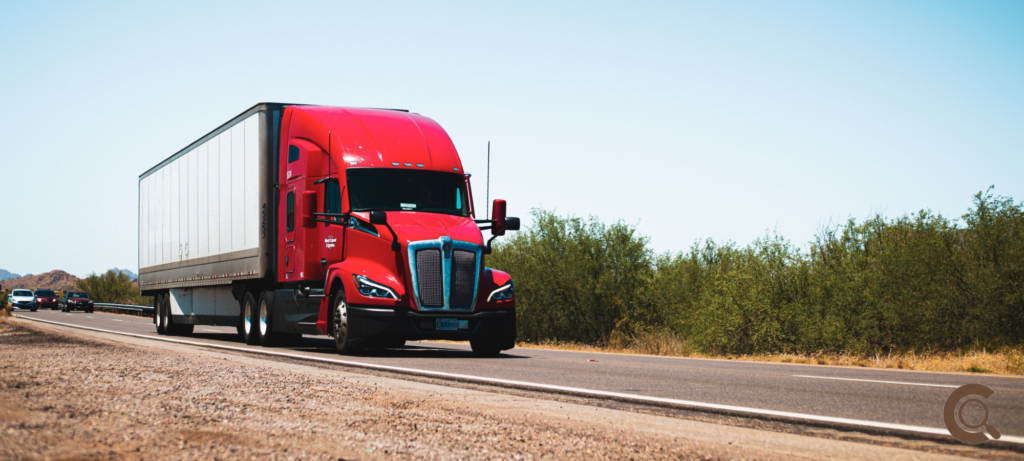
Moving heavy machinery or oversized equipment around the UK takes more planning than a normal delivery. A large excavator, industrial machine or piece of construction equipment cannot simply be loaded onto an ordinary truck and sent on its way.
The weight and size of the load need to be checked first. The right vehicle has to be selected, the journey needs to be planned, and the collection and delivery sites must be suitable for the vehicle. Depending on the load, there may also be additional requirements that need to be dealt with before the journey begins.
So, how does heavy transport work in the UK? In simple terms, it is a carefully organised process that starts with understanding the load and ends with safely delivering it to its destination.
What Is Heavy Transport?
Heavy transport refers to the movement of goods, machinery or equipment that is too heavy, large, wide or tall for ordinary delivery vehicles.
It is commonly used by companies in construction, engineering, manufacturing, agriculture and other industries where large equipment needs to be moved between sites.
Examples of goods that may require heavy transport include:
- Excavators and diggers
- Tractors and agricultural machinery
- Industrial equipment
- Generators
- Construction machinery
- Large engineering components
- Factory equipment
- Heavy plant
- Specialist machinery
The type of vehicle and transport method will depend on the size, weight and shape of the item.
How Does Heavy Transport Work?
The process usually begins when a business contacts a transport provider with details about the equipment it needs to move.
The transport company needs more than just the name of the item. It normally needs accurate measurements and information about both locations.
Important details can include:
- Weight of the load
- Length and width
- Overall height
- Collection address
- Delivery address
- Loading method
- Unloading arrangements
- Preferred delivery date
Once this information is available, the transporter can work out what type of vehicle and trailer may be suitable.
Assessing the Load
Before transportation is arranged, the load needs to be properly assessed.
This is an important step because two pieces of equipment can have very different transport requirements. One machine may be extremely heavy but compact, while another may be relatively light but unusually wide or tall.
The transport provider needs accurate information to understand these differences.
Businesses should avoid guessing the weight or dimensions. Incorrect measurements can create problems when the vehicle arrives, particularly if the selected trailer is unsuitable.
Photos of the machinery can also be useful because they give the transport company a better idea of the item’s shape and loading points.
Selecting the Right Vehicle
Once the load has been assessed, the next step is choosing an appropriate vehicle.
There are different types of trailers and transport vehicles available for different loads. The choice depends on what needs to be moved and how it needs to be loaded.
The transport provider may consider:
- The total weight
- Overall dimensions
- Ground clearance
- Loading method
- Journey distance
- Road conditions
- Access at both sites
A suitable vehicle can make loading easier and reduce unnecessary handling.
The vehicle also needs to be appropriate for the journey rather than simply being capable of carrying the weight. The dimensions of the load can be just as important as its weight.
Planning the Route
Route planning is a major part of heavy transport in the UK.
A route that is perfectly suitable for a car or van may not work for a large transport vehicle. Low bridges, narrow roads, restricted streets, difficult turns and weight limits can all cause problems.
Before the journey, the transport company may review the planned route and look for possible restrictions.
Things that may need consideration include:
- Low bridges
- Narrow roads
- Weight restrictions
- Height restrictions
- Roadworks
- Restricted areas
- Tight corners
- Difficult access points
The shortest route is not always the most practical route. A slightly longer journey may be more suitable if it provides better access for the vehicle.
Understanding UK Transport Requirements
Heavy and oversized loads can have additional requirements depending on their dimensions, weight and the vehicle being used.
The transport provider needs to identify the requirements that apply to the particular movement. This may involve checking road restrictions and, where required, arranging relevant notifications or permissions.
The rules can vary depending on the circumstances of the journey, so businesses should discuss the load with their transport provider as early as possible.
Planning ahead gives everyone more time to deal with requirements before the vehicle arrives for collection.
Preparing the Load
Getting the equipment ready is another important stage.
Heavy machinery needs to be positioned correctly and secured properly before the vehicle starts moving. The exact securing method depends on the equipment and transport setup.
Preparation may include:
- Checking the machinery
- Positioning it correctly
- Protecting vulnerable components
- Using suitable restraints
- Checking the trailer
- Confirming the load dimensions
- Making sure the equipment is secure
Taking time at this stage can help prevent unnecessary movement or damage during the journey.
Loading Heavy Equipment
Loading large machinery is not always straightforward.
Depending on the type of equipment, the process may require ramps, cranes, forklifts or other specialist equipment. The available facilities at the collection site also need to be considered.
For example, the vehicle may need enough space to turn and position itself before loading begins.
Before the collection date, it is useful to check:
- Site entrance size
- Available working space
- Ground conditions
- Loading equipment
- Vehicle access
- Safety requirements
Good communication between the customer and transport provider can prevent avoidable problems on collection day.
Moving the Load Safely
After loading and securing have been completed, the vehicle can begin the journey.
Driving a large or heavily loaded vehicle requires careful handling. The driver needs to consider the vehicle’s size, the load and the conditions on the road.
The journey may take longer than a normal delivery because of the vehicle’s characteristics and the selected route.
For longer movements, the transport provider may also keep the customer updated about progress and any unexpected delays.
What Are Heavy Haulage Services?
Heavy haulage services are used when goods require specialist transport arrangements because of their size, weight or shape.
They are particularly relevant to industries that regularly move large equipment, including:
- Construction companies
- Engineering firms
- Manufacturers
- Agricultural businesses
- Infrastructure companies
- Plant hire businesses
- Industrial organisations
- Energy companies
For instance, a construction company may need to move an excavator from one project site to another. An engineering company may need to transport a large component to a manufacturing facility.
In situations like these, the transport solution needs to be built around the load and the journey.
Why Is Route Planning So Important?
Route planning can make a significant difference to a heavy transport job.
Large vehicles need more road space and may be affected by restrictions that do not apply to ordinary vehicles. Finding these issues before the journey begins can reduce the chance of delays.
A carefully planned route can help with:
- Avoiding unsuitable roads
- Reducing unexpected delays
- Improving delivery coordination
- Managing difficult access points
- Planning fuel and journey time
- Protecting the equipment
This becomes even more important when machinery needs to reach a busy construction site, factory or industrial premises.
What Affects the Cost of Heavy Transport?
There is no fixed price for heavy transport because every movement is different.
Several factors can influence the final cost, including:
- Weight of the equipment
- Size of the load
- Transport distance
- Vehicle type
- Trailer requirements
- Route complexity
- Loading arrangements
- Unloading arrangements
- Delivery timescale
- Additional planning requirements
A small local movement may have very different costs from a long-distance journey involving a large industrial machine.
For this reason, businesses should provide as much information as possible when requesting a quotation.
How Can Businesses Prepare?
A little preparation before booking can make the transport process much easier.
Businesses should gather the key information about the equipment and both locations.
A simple preparation checklist includes:
- Measure the equipment accurately.
- Confirm its weight.
- Take clear photographs.
- Check access at the collection site.
- Check access at the delivery site.
- Confirm how the equipment will be loaded.
- Confirm how it will be unloaded.
- Share any site restrictions.
- Agree on the required delivery date.
The more information the transporter has at the beginning, the easier it is to plan the job properly.
Heavy Transport and Backloads
In some situations, a transport provider may be able to use available vehicle capacity on a suitable return journey through Backloads. Whether this is possible depends on the load, route, timing and vehicle availability.
It should only be considered when it fits the requirements of the specific transport movement.
Choosing a Heavy Transport Provider
The transport company you choose can have a major role in how smoothly the job runs.
Rather than looking only at price, businesses should make sure the provider understands the type of equipment being moved and can arrange the necessary transport solution.
Before booking, it can be useful to ask:
- Have you transported similar equipment before?
- What type of vehicle will be used?
- How will the load be secured?
- How will the route be planned?
- Can you manage loading and unloading?
- Are there any access issues at either location?
- What information do you need before collection?
- How will delivery progress be communicated?
A provider with relevant experience can identify practical issues earlier in the process.
Final Thoughts
Heavy transport in the UK is a planned process rather than a simple collection and delivery service. The job starts with understanding the load and continues through vehicle selection, route planning, preparation, loading, transportation and unloading.
For businesses moving construction machinery, industrial equipment or other large goods, accurate information is essential. Providing the correct dimensions, weight and site details gives the transport provider a much clearer picture of what the job requires.
Every movement is different. The best transport solution depends on the equipment, route, access and delivery requirements. With proper preparation and communication, businesses can make the transportation of heavy equipment more organised and reduce the risk of avoidable problems.
FAQs
1. What is heavy transport?
Heavy transport involves moving large, heavy or oversized equipment and goods that cannot normally be transported using standard delivery vehicles.
2. What equipment can be moved using heavy transport?
It can include excavators, tractors, construction machinery, generators, industrial equipment, engineering components and other large items.
3. Why is route planning important for heavy transport?
Large vehicles can face restrictions such as low bridges, narrow roads, weight limits and difficult access. Route planning helps identify these issues before the journey.
4. How much does heavy transport cost in the UK?
The price depends on factors such as the load’s weight and dimensions, distance, vehicle type, route and loading requirements.
5. How can I prepare machinery for transport?
Measure and weigh the equipment accurately, provide photographs, check site access and confirm the loading and unloading arrangements with the transport provider.