
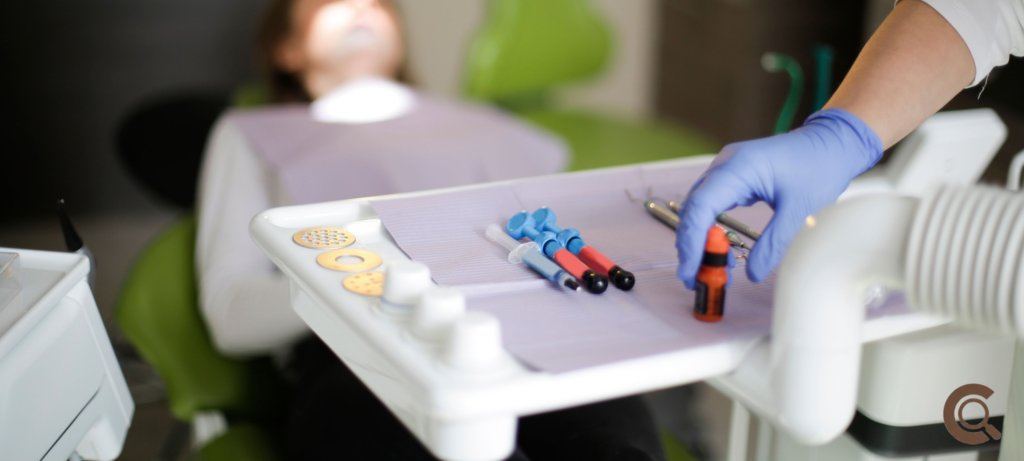
Patient care has evolved significantly in recent years as dental practices adopt new technologies, refined treatment approaches, and more patient-focused service models. While clinical expertise remains the cornerstone of quality dentistry, modern practices recognize that excellent care involves much more than treating dental conditions. Today’s patients expect convenience, communication, comfort, and personalized attention throughout every stage of their experience.
As a result, dental providers continue to invest in innovations and strategies designed to improve both clinical outcomes and overall satisfaction. From advanced diagnostic tools to preventive care initiatives, these improvements help create a more efficient and supportive environment for patients. Understanding the ways modern dental practices enhance care can provide valuable insight into what patients can expect from a high-quality dental experience.
Advanced Diagnostic Technology
One of the most important advancements in modern dentistry is the use of sophisticated diagnostic technology. Digital imaging systems, intraoral cameras, and advanced scanning tools allow dental professionals to identify concerns with greater precision than ever before. These technologies help detect issues early, often before patients experience noticeable symptoms.
Improved diagnostics support more accurate treatment planning and allow providers to monitor changes in oral health over time. Digital records also make it easier to compare current and previous examinations, leading to better-informed decisions and more effective care. For patients, this often translates into earlier intervention, less invasive treatment, and greater confidence in the recommendations they receive.
In addition, advanced diagnostic tools help improve communication. Patients can often view images and scans of their teeth and gums during appointments, making it easier to understand their oral health status and the reasoning behind specific treatment plans.
Personalized Treatment Planning
Modern dental practices recognize that every patient has unique needs, goals, and health considerations. Rather than relying on generalized treatment recommendations, providers increasingly focus on personalized care strategies designed to address individual circumstances.
A customized treatment plan takes into account factors such as age, medical history, lifestyle habits, existing dental conditions, and long-term objectives. This personalized approach helps ensure that patients receive care that is both effective and appropriate for their specific situation.
Whether working with a family dentist in Chula Vista or a provider in another community, patients often benefit from treatment plans that reflect their personal priorities and oral health goals. Personalized care can improve treatment acceptance, strengthen trust, and create a more positive overall experience while helping patients achieve better long-term outcomes.
Greater Focus on Preventive Care
Preventive dentistry has become a central component of modern patient care. Rather than concentrating solely on treating problems after they occur, many dental practices work proactively to reduce the likelihood of future issues.
Routine examinations, professional cleanings, patient education, and risk assessments all contribute to a preventive care strategy. By identifying concerns at an early stage, dental professionals can often recommend simpler and less costly solutions before conditions become more severe.
Preventive care also empowers patients to take a more active role in maintaining their oral health. Through education and personalized guidance, individuals gain a better understanding of proper hygiene practices, dietary considerations, and habits that support healthy teeth and gums. This collaborative approach helps build stronger partnerships between patients and providers while promoting long-term wellness.
Enhanced Comfort and Patient Experience
Comfort is a major priority for many modern dental practices. Dental anxiety remains a common concern, and providers increasingly recognize the importance of creating a welcoming and supportive environment. Efforts to improve comfort extend beyond clinical procedures and encompass the entire patient experience.
Modern offices often feature comfortable waiting areas, streamlined appointment processes, and thoughtful amenities designed to reduce stress. Clinical teams frequently receive training in patient communication and anxiety management, helping them provide more compassionate and reassuring care.
Gentle treatment techniques and advancements in dental procedures have also contributed to a more comfortable experience. Patients who feel relaxed and supported during appointments are more likely to maintain regular dental visits and remain engaged in their oral healthcare. These positive experiences can lead to stronger patient relationships and improved treatment outcomes over time.
Improved Communication and Accessibility
Effective communication plays a vital role in patient satisfaction and quality care. Modern dental practices use a variety of tools and strategies to keep patients informed and engaged throughout their treatment journey. Clear explanations, digital communication platforms, appointment reminders, and accessible educational resources help patients better understand their care.
Transparency regarding treatment options, expected outcomes, and financial considerations further strengthens patient confidence. When patients feel informed, they are more likely to participate actively in decision-making and maintain trust in their dental team.
Accessibility has also improved significantly. Many practices now offer convenient scheduling options, online patient portals, electronic forms, and simplified administrative processes. These advancements help reduce barriers to care while making the overall experience more efficient and convenient for patients with busy schedules.
Commitment to Continuous Improvement
High-quality dental practices understand that patient care is an ongoing process of refinement and improvement. Many providers regularly evaluate their procedures, invest in continuing education, and adopt emerging technologies that support better outcomes.
This commitment to advancement helps ensure that patients benefit from current knowledge, modern techniques, and evolving best practices within the dental profession. Continuous improvement also reflects a dedication to delivering the highest possible standard of care.
By staying informed about innovations in diagnostics, treatment methods, patient communication, and office management, dental teams can consistently enhance the quality of service they provide. Patients benefit from a practice culture that values learning, adaptation, and excellence.
Conclusion
Modern dental practices improve patient care through a combination of advanced technology, personalized treatment planning, preventive strategies, enhanced comfort, improved communication, and a commitment to continuous improvement. These developments have transformed the patient experience while supporting better clinical outcomes and stronger long-term oral health. As dentistry continues to evolve, practices that prioritize both quality treatment and patient-centered care will remain well positioned to meet the needs of today’s patients and provide a positive healthcare experience for years to come.