
Water has always decided how farms live or struggle. That hasn’t changed. What has changed is the margin for error. Wells are deeper than they used to be. Rain is less predictable in many regions. Energy for pumping costs more. So when we talk about water conservation techniques in modern farming, it is not theory. It is daily decision-making under pressure.
I remember visiting a farm where irrigation still meant opening channels and letting water flow across the field. It looked abundant. Almost comforting. But if you stood there long enough, you noticed the unevenness. One patch soaked, another barely reached. Water slipping past the root zone, taking nutrients with it. That image stays with me because it shows why conservation became necessary, not fashionable.
Drip Irrigation and Learning to Be Precise
Drip irrigation changed the way many farmers think about water. Instead of soaking the entire field, water moves quietly through narrow lines and drips directly where roots need it. The first time you see a well-managed drip field, it feels strange. The soil between rows can look dry. Almost neglected. But the plants are steady, healthy, consistent.
That’s the shift. Water conservation techniques in modern farming often look understated. No dramatic flooding. No visible spray in the air. Just controlled delivery.
Drip systems also allow nutrients to move with irrigation water. That reduces fertilizer loss and helps plants absorb what they need. Of course, there is maintenance. Emitters clog. Filters demand attention. A neglected system quickly loses its advantage. I have seen farmers grow frustrated with the upkeep. Still, when they compare water bills or yield consistency, most admit the precision is worth it.
Sprinklers, But Smarter
Not every farm can switch to drip. Large grain operations often rely on sprinklers. The difference today is how those sprinklers operate.
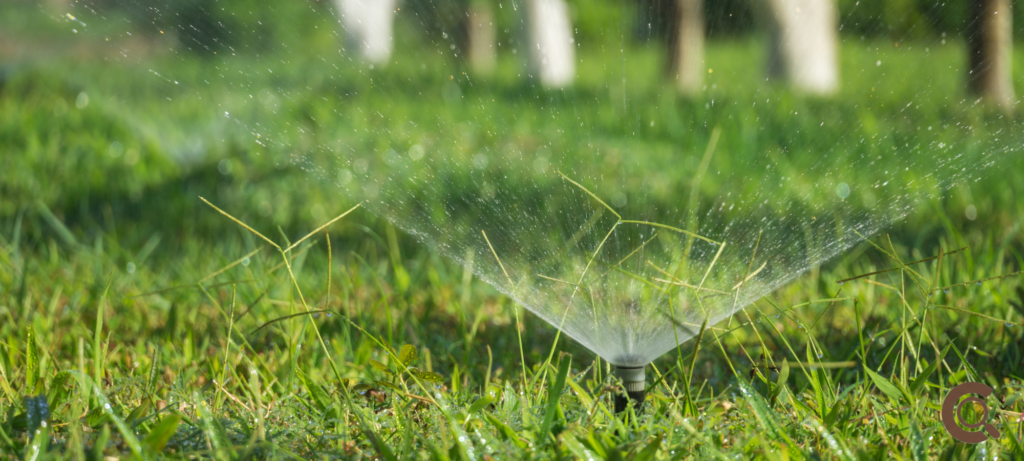
Older systems sprayed water high into the air. On a hot afternoon, you could almost watch part of it disappear before it touched the ground. Modern low-pressure systems keep water closer to the crop canopy or soil surface. Less drift. Less evaporation.
Then there is variable rate irrigation. Fields are rarely uniform. Some areas hold water longer. Others drain fast. Instead of applying the same amount everywhere, farmers now adjust delivery across zones. It requires mapping, sensors, and planning. It also requires letting go of the idea that every acre must be treated identically.
It reminds me, in a different context, of the thinking behind Minimalist Living Tips
for a Clutter Free. Use what is necessary. Avoid excess. Be intentional. Even structured approaches in Beginner’s Guide to Software Development rely on that same principle of refining inputs instead of overloading the system. Farming, in its own way, is moving toward that mindset.
Listening to the Soil
One of the quieter water conservation techniques in modern farming is simply measuring soil moisture. Sensors placed at different depths reveal what is happening below the surface. Sometimes the topsoil looks dry, and instinct says irrigate immediately. But deeper layers may still hold enough moisture.
I have seen farmers surprised by those readings. Irrigation schedules adjusted. Water applied less often, but more deliberately. It is not about denying crops what they need. It is about avoiding reflex.
Technology does not replace walking the field. It supports it. The farmers who manage water best tend to combine both. They check the data, then dig a small hole and feel the soil themselves. There is something grounding about that.
Soil Health as a Water Strategy
We often focus on irrigation hardware, but soil condition may matter even more. Healthy soil holds water longer. Organic matter improves structure, allowing rainfall to soak in instead of running off.
I once stood in two neighboring fields after a heavy rain. One had practiced cover cropping and reduced tillage for years. The other relied on frequent plowing. The difference was visible. Water pooled and ran off in one field. In the other, it disappeared into the soil.
Improving soil is slow work. Sometimes benefits are subtle at first. But over time, irrigation frequency can decrease because the soil itself becomes more capable of holding moisture. Water conservation techniques in modern farming often start underground, where no one sees them.
Mulching and Surface Protection
Mulching feels almost too simple to mention, yet it consistently proves useful. Covering the soil surface with crop residue, straw, or even plastic reduces evaporation.
I have compared mulched and unmulched plots during heat waves. The difference in moisture retention is not dramatic in a single day, but over a week, it becomes significant. Less frequent irrigation. Less stress on plants.
Plastic mulch raises environmental concerns. Organic mulch requires labor and sourcing. There is no perfect option. But surface protection slows water loss, and sometimes that small delay makes all the difference.
Storing Water for the Dry Months
In regions with seasonal rain, capturing excess water can stabilize the rest of the year. Farm ponds, small reservoirs, or retention basins allow water to be stored when it is abundant and used when it is scarce.
I have visited farms where a simple pond reduced dependence on deep groundwater wells. It did not solve every problem. Evaporation still occurs. Construction requires investment. But it provided breathing room. A buffer against uncertainty.
Crop Choices That Respect Water Limits
Another overlooked aspect of water conservation techniques in modern farming is crop selection. Some crops demand more water than others. Some varieties develop deeper roots. Others mature quickly, avoiding peak drought periods.
Farmers sometimes resist switching crops because markets are familiar and predictable. But in areas facing reduced water allocations, adaptation becomes necessary. I have seen farmers reluctantly shift varieties, then later admit the change reduced stress during dry seasons.
Reuse and Recovery
In greenhouse operations, water recycling has become common. Drainage is collected, filtered, and reused. Even in open fields, tailwater recovery systems capture runoff and redirect it back into irrigation channels.
These systems require monitoring. Water quality matters. But they reduce waste and help stretch limited supplies.
People Also Ask
How much water can drip irrigation save in modern farming?
In many cases, drip systems reduce water use by 30 to 50 percent compared to flood irrigation, though results depend on soil type and crop management.
Does improving soil health reduce irrigation needs?
Yes. Soils with higher organic matter retain moisture longer, allowing crops to access water over extended periods.
Are rainwater harvesting systems practical for small farms?
They can be. Even modest storage ponds can supplement irrigation and reduce reliance on groundwater.
Which crops are more water-efficient?
Drought-tolerant, deep-rooted, and short-season varieties typically use water more efficiently, especially when matched to local climate conditions.
Water conservation techniques in modern farming are rarely about one dramatic innovation. They are about layers. A drip line here. Better soil there. Smarter scheduling. Thoughtful crop selection. None of it feels revolutionary in isolation.
And yet, when you step back and look at a farm that has embraced these changes, you notice something different. The irrigation runs shorter. The soil holds moisture longer. The farmer watches the sky a little less anxiously.
Not because water is guaranteed. It never is. But because every drop is being treated with a little more respect than before.
Final Thoughts
Water conservation techniques in modern farming are not about chasing trends or adopting technology for the sake of it. They are about survival, responsibility, and long-term stability. Every farm faces different constraints, but the underlying principle is the same: water is no longer something to assume will always be there.
The most effective changes are often the quiet ones. A drip line adjusted properly. Soil that holds moisture a little longer. An irrigation schedule informed by observation rather than habit. These decisions may not look dramatic, but over time they reshape how a farm functions.
Modern farming asks for awareness as much as innovation. When water is managed with intention and respect, farms become more resilient. Yields stabilize. Stress decreases. And the relationship between land, crop, and farmer becomes more balanced.