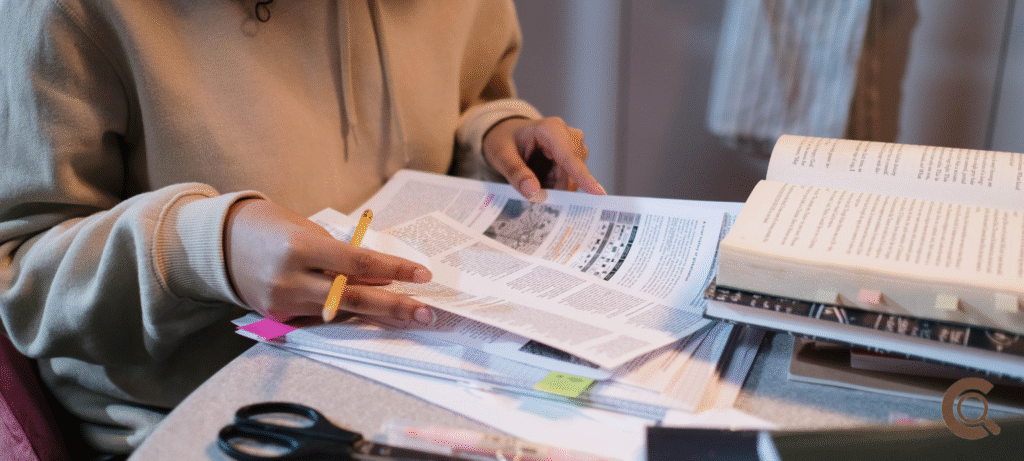
Preparing for competitive exams at home can feel overwhelming at first. No classrooms, no fixed teachers watching over you, and no strict schedule imposed from outside. Just you, your books, and your goals. For some people, this freedom becomes strength. For others, it turns into confusion and delay.
The truth is, preparing at home works very well if you follow a clear system. You don’t need expensive coaching or long travel hours. What you need is direction, discipline, and patience. This guide is written to feel real, not motivational fluff. It breaks down preparation into clear steps that actually fit daily life.
Understand the exam before anything else
Before studying even one topic, you must understand the exam you are preparing for. Many students skip this and regret it later.
Look into the exam pattern, syllabus, marking scheme, and time limits. Understand how many sections are there and which ones carry more weight. This helps you avoid wasting time on low priority topics.
Spend a day or two just researching the exam. Read official notifications, past year papers, and basic guidelines. This step sets the foundation for everything that follows.
Set a realistic goal and timeline
You need a clear target. Not a vague goal like “I will study hard,” but something practical.
Decide which attempt you are aiming for and how many months you have. Then divide the syllabus accordingly. Be honest about your current level. Overestimating yourself leads to burnout. Underestimating leads to laziness.
Write down your timeline on paper. Seeing it physically helps keep things real.
Create a simple daily study routine
You don’t need a fancy timetable with colors and charts. You need something you can actually follow.
Fix study hours based on your energy levels. Some people focus better early in the morning, others at night. Choose what works for you, not what looks productive online.
Start with 5 to 6 focused hours a day if you are a beginner. Increase gradually. Consistency matters more than long study sessions once in a while.
Choose the right study material only once
Too many books create confusion. Too many online sources create distraction.
Choose limited, reliable study materials and stick to them. One standard book per subject is often enough. For online resources, follow structured content instead of random videos.
If you’re studying from home, learning how to manage resources and systems is important. Skills like Web Development indirectly help here by teaching structured thinking and discipline in self learning environments.
Focus on concepts not memorization
Competitive exams test understanding, not just memory.
Spend time understanding why things work, not just what the answer is. Especially for subjects like math, reasoning, and science, clarity is everything.
If a concept feels unclear, stop and fix it immediately. Don’t carry confusion forward. It grows silently and becomes a problem later.
Practice every day without exception
Studying theory alone is not enough.
Daily practice builds speed and accuracy. Solve questions right after finishing a topic. Start slow, then gradually increase difficulty.
Mock tests are essential. Even if scores are low at first, they help you understand exam pressure and time management.
Learn to analyze mistakes properly
Mistakes are not enemies. Ignoring them is.
After every test or practice session, analyze errors carefully. Understand why you made them. Was it lack of concept, silly mistake, or time pressure?
Maintain a simple mistake notebook. Revisiting it weekly improves performance more than revising textbooks again and again.
Manage distractions while studying at home
Home preparation comes with distractions. Family noise, phone notifications, social media, and random thoughts.
Create a study space, even if it’s just a corner of a room. Inform people around you about your study hours.
Use your phone as a tool, not entertainment. Keep it away during study sessions. Small discipline here saves months of effort.
Use free learning resources wisely
You don’t need to spend money to prepare well.
Many concepts can be learned from quality free platforms. Structured learning from places like Free Online Learning Platforms for Students and Working Professionals can help clear basics and strengthen weak areas without extra cost.
The key is not using too many platforms. One or two trusted sources are enough.
A reliable external learning source like Khan Academy also helps for strengthening fundamentals in math, science, and reasoning topics.
Take care of your mental and physical health
Studying at home for long periods can feel lonely and stressful.
Take short breaks. Go for walks. Stretch. Talk to someone you trust. Your brain needs rest to function well.
Sleep is not optional. Lack of sleep ruins memory and focus. No exam is worth damaging your health.
Revise smartly not endlessly
Revision is where most improvement happens.
Instead of rereading everything, focus on weak areas, mistakes, and frequently asked topics. Use short notes and summaries.
Weekly revision works better than last minute panic revision.
Stay patient and trust the process
Progress in competitive exams is slow and uneven.
Some days feel productive, others feel wasted. That’s normal. What matters is not quitting.
Many students preparing from home feel self doubt when comparing themselves with coaching students. Ignore comparisons. Your journey is different.
Consistency beats intensity every single time.
Common mistakes students make while preparing at home
One major mistake is changing strategy too often. Trust your plan long enough to see results.
Another mistake is avoiding mock tests due to fear of low scores. Tests are learning tools, not judgment.
Procrastination disguised as planning is also common. Planning is useful only when followed by action.
Final thoughts on preparing for competitive exams at home
Preparing at home is not a disadvantage. In many ways, it’s an advantage if done correctly.
You save time, control your pace, and learn discipline. With the right mindset and structure, home preparation can be just as effective as coaching.
This step by step guide to prepare for competitive exams at home is meant to be practical, not perfect. Adjust it to your life, stick to it, and keep moving forward.
You can find us here: Contexto game